Accessibility options

Switch to preferred accessibility theme:


Increase or decrease the text size:

  • Internet Explorer: View > Text Size > Largest

Keyboard navigation and access keys:

  • A - Accessibility options
  • 0 - Skip navigation
  • 1 - Home
  • 2 - Alexandrite chapters
  • 3 - Alexandrite directory
  • 4 - Alexandrite forums
  • 5 - Alexandrite gemstones
  • 6 - Alexandrite localities
  • 7 - Contact information
  • 8 - About Alexandrite Guide
  • 9 - Sitemap
  • Press ALT + Access Key, then ENTER.

Close

Alexandrite

Tsarstone collectors guide

What are the most common colors of alexandrite?

Unfortunately, most alexandrites show either a nice color in daylight or an attractive color under incandescent light. Rarely are both colors bright and vivid and often stones that change to bright red under incandescent light are only brown or almost black in daylight. Conversely, some of the nicest daylight blue green stones only change to faint pink under incandescent light.

Tanzanian stones from Tunduru occur in a wide range of colors. Many of the stones appear to be a khaki or yellowish green in daylight moving to brownish red under incandescent light. The deposit also produces some world class bluish green to purple red stones on occasion.

The deposit near Andrapradesh in India, has produced some exceptional stones in the last few years but now production has dwindled. Although their color change is often weak, the stones are well known for their outstanding daylight bluish green colors. Under incandescent light most of the stones appear plumb reddish purple.

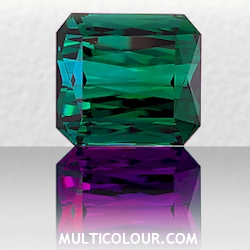
Brazil produces some outstanding alexandrites and they generally command the highest prices. Top Brazilian stones appear dark bluish green under daylight and reddish purple-to-purple red under incandescent light. Although the green daylight colors are less attractive than the blue greens of the Indian stones, the incandescent colors are normally a stronger red. Exceptional stones from the Hematita deposit show a blue primary hue and a greenish secondary hue under daylight while the incandescent colors vary from violetish pink through pinkish purplish red to purplish red. The best incandescent color of Brazilian alexandrites is a reddish purple or raspberry color. Although Brazilian stones normally show a superior color change, some Indian stones are outstanding and the daylight greens are the very best.


Tags

alexandrite alexandrite classification alexandrite crystal alexandrite deposit alexandrite discovery alexandrite effect alexandrite gems alexandrite gemstone alexandrite history alexandrite jewellery alexandrite jewelry alexandrite lore alexandrite ring alexandrite stones alexandrite symbol alexandrite value antique alexandrite birthstone buy alexandrite cat's eye cats eye change of color chromium compound chrysoberyl chrysoberyl varietiy chrysoberyl variety chrysolite color change color change gemstone color change stone colour change created alexandrite cymophane czochralski alexandrite depilite diaphanite dichroism faq gem mining gem variety gemstone gemstone globes gemstone hardness gemstone healing gemstone healing properties gemstone meaning gemstone mine gemstone mineral gemstone variety gemstones genuine alexandrite hydrothermal process hydrothermal technique june gemstone kyocera alexandrite lab created alexandrite long pulse alexandrite long pulse alexandrite laser loose alexandrite mineral chrysoberyl mining australia mining exploration mining resources natural alexandrite pegmatite phenomenon precious stone prophetic stone pulse alexandrite pulse alexandrite laser q-switched alexandrite q-switched alexandrite laser real alexandrite russian alexandite russian alexandrite russian gemstone simulated gemstone solution growth synthetic alexandrite synthetic gem synthetic gemstone synthetic green synthetic stone tsarstone underground mining urals gemstone vapor deposition verneuil flame fusion widow stone

Close options details